How to Create a Branded Photo Moment That Visitors Want to Share at a Trade Show
Trade show attendees walk past dozens of booths in a single day. To stop them, you need something that makes them pause, smile, and reach for their phone. A trade show photo booth can do exactly that, but only if the experience is designed for sharing. When visitors snap a photo and post it online, your brand gets exposure far beyond the show floor. The trick is to build a moment that feels natural, personal, and worth passing along.
This article walks through the key steps to set up a photo activation that guests actually want to share. From the backdrop to the digital delivery, each choice shapes how people interact with your brand. Keep reading for a practical guide on turning a simple photo station into a genuine engagement tool.
Step 1: Design a backdrop that works with the brand, not against it
The backdrop is the first thing visitors see. It sets the tone for the entire experience. A bland white wall or a cluttered banner full of text will not encourage anyone to pose. Instead, think of the backdrop as a canvas that complements your brand without overwhelming the person in front of it.
Choose colors and patterns that match your brand palette but stay clean enough that faces stand out. A subtle gradient, a geometric pattern, or a simple logo placement often works better than a dense graphic. Avoid busy patterns that create moire effects on camera sensors. If your brand uses bold colors, consider a softer background that makes those colors pop in the final image.
Lighting matters just as much as the backdrop itself. Even lighting across the background prevents shadows and ensures the photo looks professional. Test the setup with a few people of different heights to confirm everyone is well-lit from head to toe. A poorly lit backdrop can make even the best photo booth feel cheap.
Step 2: Pick a print format and digital sharing flow that match the event goals
Not every trade show needs the same output. Some events are about collecting leads; others are about driving social media buzz. The format you choose should align with your primary objective.

For lead capture, a printed photo with a branded border works well. Visitors take a physical keepsake, and you can ask for an email or a quick scan of a badge in exchange. Print formats also create a tangible reminder of your booth, which can help people remember you after the show.
For social sharing, prioritize digital delivery. Let guests text or email the photo to themselves, or provide a QR code that opens a web gallery. When the photo includes a subtle brand overlay, every share becomes free advertising. You can also ask permission to display photos on a rotating screen at the booth, which encourages others to participate.
Watch out for friction in the sharing process. If visitors have to download an app, fill out a long form, or wait for an email that never arrives, they will move on. Keep the path short: snap, preview, share. That is the flow that generates real visitor engagement.
Step 3: Use props and prompts that feel fun, not forced
Props add personality, but they can also feel cheesy if overdone. The best props are simple and tied to your industry or product. For example, a tech company might offer oversized mock phones or a giant cursor; a food brand could use cutouts of its products. The goal is to help people relax and have fun without distracting from your brand.
Prompt cards or signs can also guide behavior. A small sign that says "Strike a pose" or "Show us your best company spirit" can break the ice for shy visitors. You can also create a branded hashtag and display it near the booth so people know where to post. Just make sure the hashtag is short and easy to remember.
One common mistake is using too many props. A cluttered table makes the process slow and messy. Limit props to a handful that match the theme and are easy to sanitize between uses. This keeps the experience clean and professional.
Step 4: Staff the booth with people who know how to engage
Event staffing can make or break a photo activation. Even the best equipment falls flat if no one invites people in. Staff should be positioned near the booth, making eye contact and offering a friendly greeting. Their job is not to sell, but to welcome. Once a visitor is engaged, the photo becomes a natural next step.
Train staff to explain the process quickly: "Step right up, grab a prop, and we will snap a photo for you. You can text it to yourself or grab a print." Keep the script short and warm. Staff should also know how to troubleshoot basic issues, like a stuck printer or a slow touchscreen, so the line keeps moving.

Good staffing also means managing booth traffic. If a line forms, someone should cheerfully ask people to queue or come back later. A crowded booth looks popular, but a bottleneck frustrates visitors. Keep the flow steady and the wait time under a minute if possible.
Step 5: Choose a photo booth setup that fits the space and the brand
The physical setup of the booth itself affects how people use it. Open-air booths with a backdrop and a camera on a stand feel more spacious and can accommodate groups. Enclosed booths offer more privacy but can feel cramped. For trade shows, open-air configurations usually work better because they allow for larger group shots and make the booth visible from a distance.
Consider the camera angle and resolution. A camera positioned slightly above eye level is flattering for most faces. The final image should be high enough resolution to look good on social media, even when viewed on a large screen. Test the crop so that the brand overlay does not cover faces or important parts of the image.
Sound can also play a role. A gentle countdown or a fun sound effect adds energy without being distracting. Avoid loud music that competes with conversations nearby. The goal is to create a pleasant sensory experience that feels polished.
Step 6: Deliver the photo in a way that keeps your brand visible
The moment a visitor receives their photo is an opportunity to reinforce your brand. A branded overlay with your logo, event name, and a call to action (like a website or social handle) should appear on every image. Keep the overlay clean and small enough that the photo itself remains the focus. Too much branding can make people less likely to share.
For digital sharing, include a pre-written caption or a suggested hashtag that visitors can copy. This reduces the effort required to post and increases the chance they will actually share. Some systems can even post directly to a visitor's social account if they give permission, but this should always be opt-in.
For print formats, make sure the paper quality is good. A flimsy print reflects poorly on your brand. Thick, glossy paper feels like a gift and encourages people to keep the photo on their desk or fridge. That physical reminder can keep your brand top of mind long after the show ends.
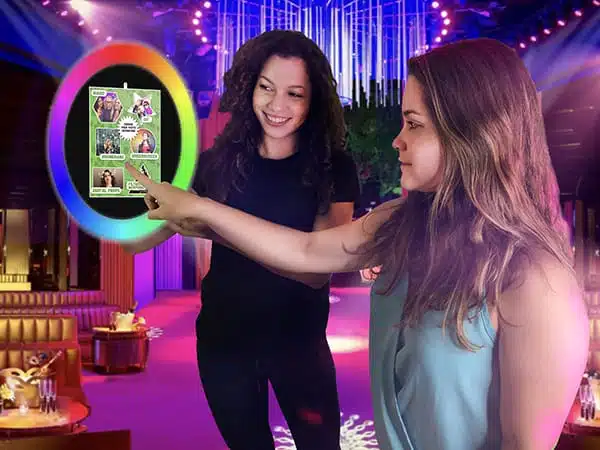
Many companies invest in corporate photo booth activations to boost brand visibility at events. When done right, these activations create a positive association that lingers. The key is to design every step of the experience with the visitor in mind, from the first glance at the backdrop to the final share online.
Step 7: Measure what matters and adjust for the next show
After the event, look at the data. How many photos were taken? How many were shared? What was the most popular prop or backdrop? If you collected emails or scanned badges, track how many of those leads turned into real conversations. This information helps you refine the experience for the next trade show.
Talk to the booth staff about what worked and what felt awkward. Sometimes small changes, like moving the camera closer to the backdrop or adding a second printer, can dramatically improve the flow. Treat each event as a learning opportunity rather than a one-off marketing stunt.
Visitors remember how a booth made them feel. A photo activation that feels effortless, fun, and respectful of their time builds goodwill. That goodwill translates into brand recall and, eventually, business relationships. When you focus on creating a shareable moment, you are not just collecting leads; you are building a story that people want to tell.
Well-planned corporate photo booth activations can turn a standard trade show appearance into a highlight of the event. The steps above give you a solid foundation. From the backdrop to the follow-up data, every detail contributes to a branded photo moment that visitors genuinely want to share.